
Kategorien
Neuester Blog
In Hydrauliksystemen werden Sicherheitsrisiken oft missverstanden. Einer der häufigsten Irrtümer ist die Annahme, dass die Schlauchummantelung von Hydraulikschläuchen drucktragend sei. In Wirklichkeit … hydraulic hose sheathing is designed primarily for oil spray containment and personnel protection , not for carrying internal system pressure.
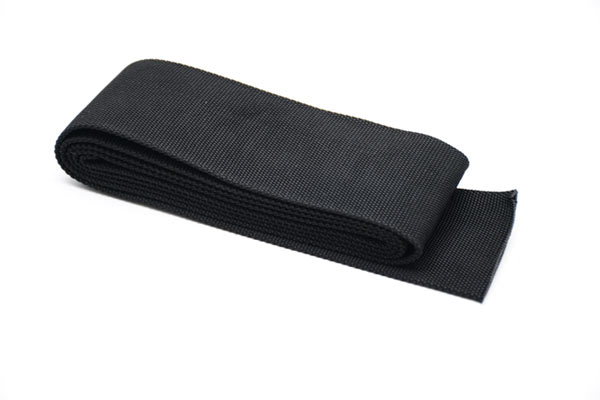
Pressure rating refers to the ability of a component to withstand internal fluid pressure without rupture. This applies to hydraulic hoses, valves, and fittings— not to external protective sheathing .
In applications such as pinch valves, hydraulic oil does not flow inside the sheathing. Under normal operation, the internal pressure inside the sheathing is effectively zero. The real risk arises when a hose, fitting, or valve fails and high-pressure oil is released at high velocity.
Hydraulic hose sheathing works by:
Blocking the direct spray path
Absorbing and dispersing jet energy
Converting dangerous oil jets into controlled seepage or dripping
| Sheat hing Type | Result |
|---|---|
| Low-density sleeve | Oil jet passes through → injury risk |
| High-density nylon sheathing | Jet hits fibers → dispersed → velocity reduced |
| Reinforced / dual-layer sheathing | Enhanced containment → high-risk spray controlled |
As long as the sheathing can disperse and redirect oil spray , it effectively protects personnel and surrounding equipment.
The PN (Pressure Nominal) rating defines the safe operating pressure of valves and piping , not the sheathing. However, PN ratings help assess spray risk level , which guides protective sheathing selection.
| System PN Rating | Spray Risk | Recommended Sheathing |
|---|---|---|
| PN6 | Low | Basic or optional |
| PN10 | Medium | High-density nylon sheathing |
| PN16 | Medium–High | Reinforced or dual-layer |
| PN25+ | High | Multi-layer or rigid protection |
Hydraulic hose sheathing is a secondary safety barrier—essential for industrial risk control.




 Deutsch